
When the World Becomes Your Mirror: What Envy Really Teaches Us About Ourselves

By Steve Avan

We like to believe that envy is about others — about their fame, beauty, or success. But envy, at its core, is never about them. It’s about the parts of ourselves we’ve left unexplored, unloved, or forgotten.

The world doesn’t provoke us to punish us. It reflects us. It holds up a mirror to what we’ve denied within. Every reaction, every judgment, every wave of jealousy — is simply life whispering, “Here is where you’ve abandoned your own light.”


The Mirror Effect of Success

When someone rises, we see more than their achievement — we see our own limitation. The higher they climb, the more clearly we glimpse the mountain we’ve refused to ascend.

Take the story of a young Hungarian athlete — professional football player Szoboszlai Dominik. His focus, his discipline, and his courage to live his purpose have made him a symbol of success. Yet, when you read the comment sections beneath his victories, something deeper unfolds. The applause is there, yes — but so is the projection. The envy. The quiet resentment.

Because his dedication confronts something uncomfortable: the part in us that didn’t dare to give everything. His light reminds us of our own excuses.

We don’t dislike his success. We dislike the reflection of our own unlived potential.


Envy Is Not Evil — It’s Information

Envy is not proof of weakness. It’s a message. It shows us where our energy has been trapped — in comparison, regret, or fear. It asks us to look closer, to meet the version of ourselves that still believes we are less.

When you feel that sting of jealousy, pause. Don’t push it away. Listen. Beneath that emotion lies longing — not for what they have, but for the part of you that’s ready to awaken.

As Carl Jung once said: “Everything that irritates us about others can lead us to an understanding of ourselves.”


From Comparison to Creation

Every soul journey begins the same way — with a mirror. You can use it to compare, or you can use it to transform. The moment you stop judging another’s path and start walking your own, the reflection changes.

Because the truth is this: you were never meant to replicate anyone’s success. You were meant to embody your own.

The world doesn’t need more critics. It needs more creators. More people who dare to act on the spark that envy first revealed.


So next time you feel the mirror burn — don’t look away.

Look closer. Because the person you envy is not ahead of you — they’re showing you what’s possible for you.

The mirror never lies.
It only asks: “Are you ready to see what’s been waiting inside you all along?”

— Steve Avan
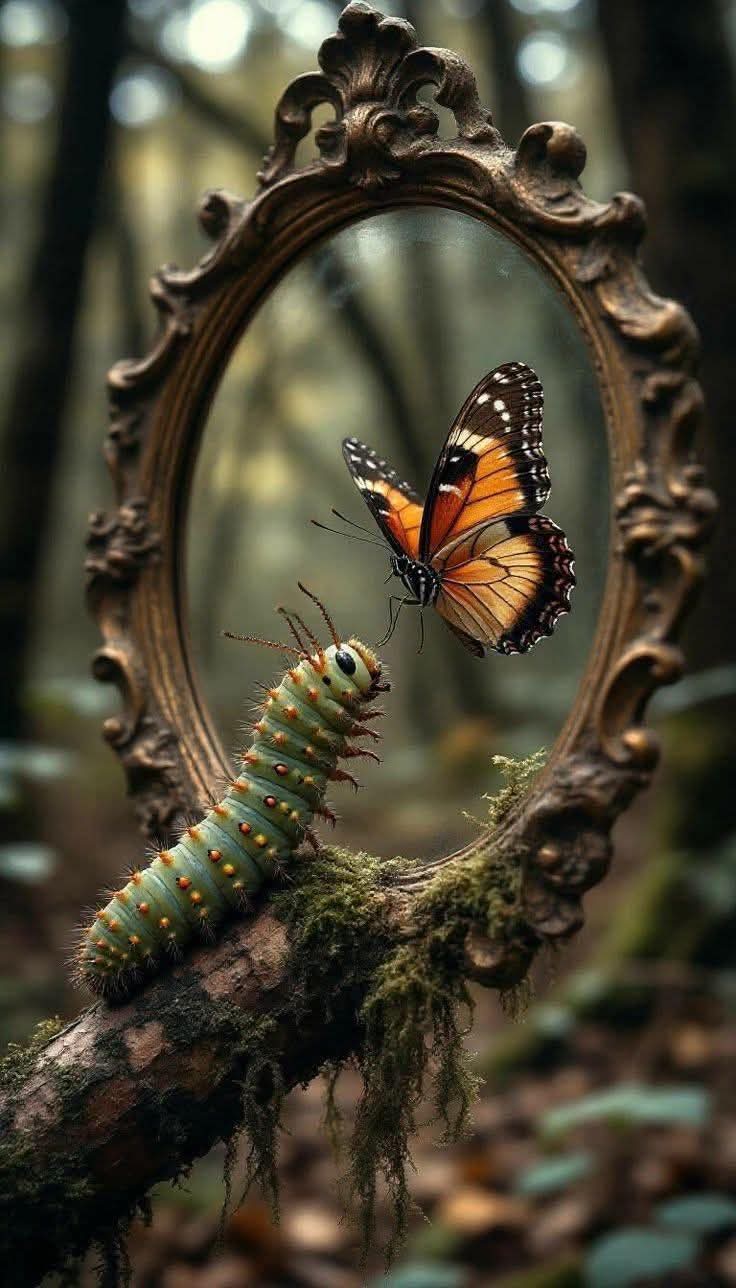
A caterpillar gazes into a mirror and sees a butterfly — a poetic symbol of self-transformation, reflection, and awakening.

Sometimes, the world shows us our wings before we remember we have them.
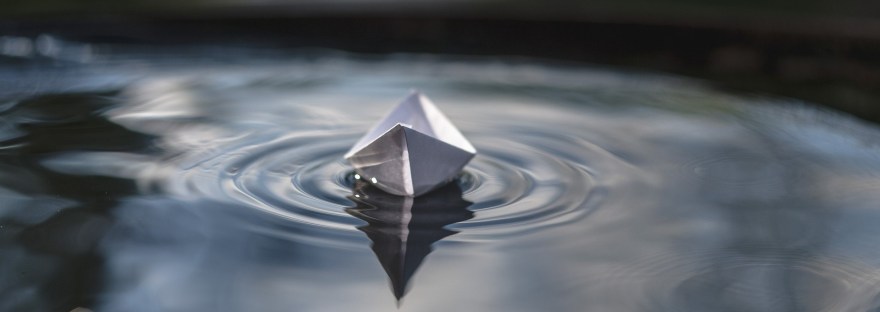
A paper boat floating calmly on water, symbolizing release, surrender, and the energy of allowing.

Embracing Allowance: Finding Peace Through Non-Resistance

We spend so much of our lives fighting what we don’t want. The people who trigger us. The jobs that drain us. The fears that seem to live rent-free in our minds.

And yet… no one, standing at the edge of their life, ever says: “I wish I’d worried more.” “I wish I’d spent more time scrolling.” “I wish I’d stayed longer in that toxic loop.”

Still, that’s how most of us live — locked in a constant inner battle with what is. We call it trying to change. But often, it’s just resistance wearing the mask of growth.


The Illusion of Control

From the moment we’re born, we’re taught to fix things. If something hurts — fix it. If something breaks — fix it. If someone doesn’t love you — become someone who earns it.

But energy doesn’t work that way. Because what we fight, we feed. Attention is energy, and energy doesn’t judge — it simply amplifies what it’s given.

So the more you fight what you don’t want, the more real it becomes. It’s not punishment. It’s physics — and it’s consciousness.


What “Allowing” Really Means

Allowing isn’t passivity. It’s presence. It’s the moment you stop tightening against life and start breathing with it. It’s not saying, “I agree with this.” It’s saying, “I see this — and I choose not to fight it anymore.”

When you resist something, you tie your energy to it; you keep it alive through your attention. But when you allow it — not approve, not endorse, simply allow — it begins to dissolve. You stop feeding it. You stop being its anchor.


The Energetic Shift

The next time you find yourself in conflict — with a person, a thought, or a situation — pause. Notice where your energy tightens: your shoulders, your stomach, your throat.

Then ask softly: “What if I stopped fighting this?”

You’ll feel a subtle shift. The energy that was tangled in tension begins to flow again. That’s what healing actually feels like.


Peace Isn’t a Goal — It’s What Remains

We’ve been taught to chase peace, to work for happiness, to deserve love. But peace isn’t something you earn. It’s what’s left when you stop resisting.

You don’t have to fix the noise — you only have to stop becoming it. In the quiet that follows, you realize something extraordinary: You were never broken. You were only holding on too tightly.

Let go. Let life move through you. And let peace find its way back home.

A paper boat floating calmly on water, symbolizing release, surrender, and the gentle flow of allowing.
A paper boat floating quietly on water — a symbol of letting go and trusting the flow.

Steve Avan